The Power of Control: Understanding Eccentric and Concentric Phases in Your Training
When you think of strength training, you probably picture lifting weights, doing squats, or pushing through that last rep.
But the secret to progress to toning your body, improving strength, and avoiding injuries, is not just what you do, but how you move.
Every exercise you perform has distinct phases: eccentric and concentric. Learning to understand and control these two stages will completely change the way you train and the results you see.
What Do “Eccentric” and “Concentric” Mean?
Let’s make it simple.
Every time you move a muscle, it either shortens or lengthens under tension.
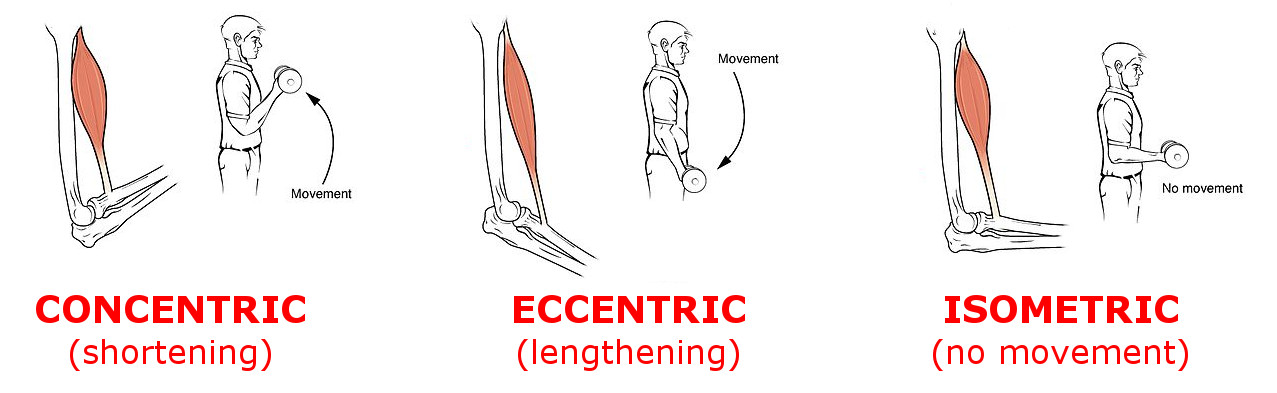
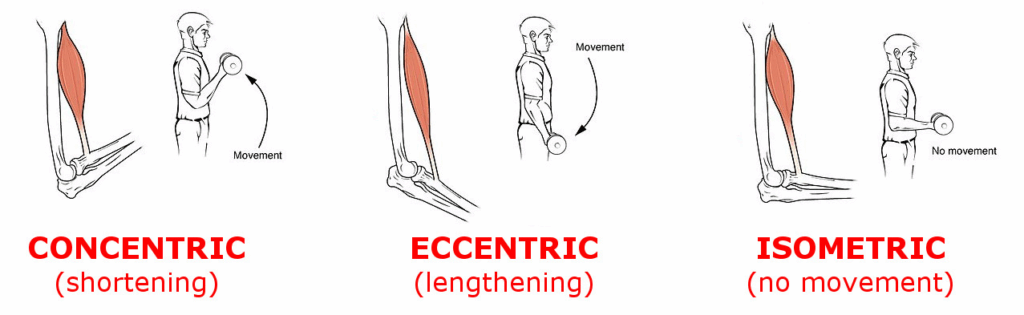
- Concentric phase: when the muscle shortens as it contracts.
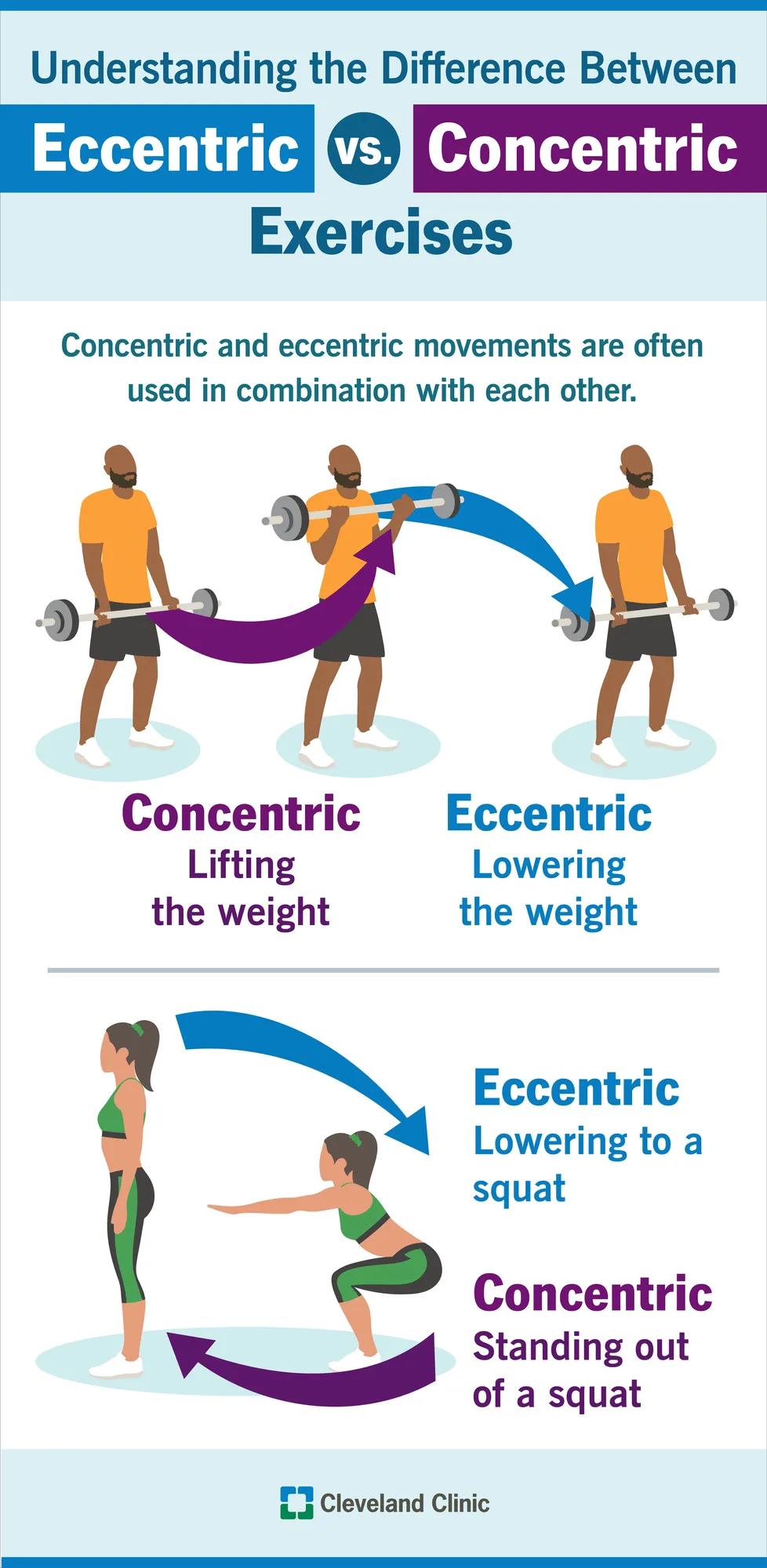
Example: lifting the dumbbell in a bicep curl, standing up from a squat, or pushing up in a push-up. - Eccentric phase: when the muscle lengthens while still working.
Example: lowering the dumbbell, bending down in a squat, or lowering your body toward the floor in a push-up.
In short:
Concentric = lift / push
Eccentric = lower / control
Both phases matter, but most people focus only on the concentric (the “lifting”) and neglect the eccentric (the “lowering”). That’s where control, tone, and real transformation happen.
Why the Eccentric Phase Is the Hidden Hero
The eccentric phase is where your muscles experience the most tension and micro-damage, which leads to repair and growth.
When you slow down and control this part, you:
- Increase muscle activation.
Your body recruits more muscle fibers to control the weight. - Build strength and tone.
Slower lowering = greater tension = stronger, more defined muscles. - Improve control and technique.
You move with intention instead of momentum. - Reduce injury risk.
Controlling the movement prevents joints from absorbing the shock.
For example, imagine lowering slowly into a squat for 3 seconds instead of dropping quickly — your legs shake, your core engages, and you feel the work. That’s the eccentric phase doing its job.
The Concentric Phase: Power and Performance
The concentric phase is all about strength and acceleration — the action part of your movement.
You push, pull, or lift, and the muscle shortens to create force.
Benefits of mastering the concentric phase:
- You improve explosive power and muscle recruitment.
- You build functional strength that helps in daily activities (like standing up, lifting groceries, or carrying your kids).
- You boost your metabolic rate, since these powerful movements burn more energy.
A balanced program should train both:
- Eccentric: control and strength
- Concentric: power and performance
When you combine both with awareness, you build not just a strong body, but also better body intelligence.
Adding the Isometric Phase (Bonus!)
There’s also a third phase often overlooked: the isometric phase — when your muscle holds tension without moving.
Think of pausing halfway through a squat or holding a plank.
This phase improves stability and endurance.
It’s like pressing “pause” to test your control.
Together, these three phases create a complete movement pattern:
Eccentric → Isometric → Concentric
Understanding how they work together is key to unlocking your progress.
How to Apply It in Your Workouts
Here’s how you can start applying these concepts right away:
- Slow down.
Focus on feeling each phase. For example, lower for 3 seconds, pause 1 second, lift in 1 second. - Add control to bodyweight exercises.
Try slow push-ups, lunges, or squats before adding weights. - Be intentional.
Don’t just count reps — experience the movement. - Listen to your body.
Notice where you lose control. That’s where you need strength the most.
Why It Matters for Women’s Training
Many women believe they need to “go faster” or “add more reps” to get results.
But slowing down — especially in the eccentric phase — actually helps you:
- Tone without bulking
- Build joint stability
- Strengthen your core
- Train smarter during hormonal changes (perimenopause, fatigue, stress)
By mastering movement control, you become more confident, powerful,
and connected with your body,
the essence of inPower.
What’s Next: Learn How to Control Your Tempo
Now that you understand what happens in each phase, the next step is learning how to control their timing.
That’s where TEMPO comes in — the code that tells you how many seconds to spend in each part of the movement.
For example: 3-1-1-0.
In the next article, you’ll discover:
- What tempo means
- How to read it in your training plan
- How it transforms your results
Next up: Master Your Tempo: The Secret to Training Smarter, Not Harder

0 Comments